$50.72
$64.92
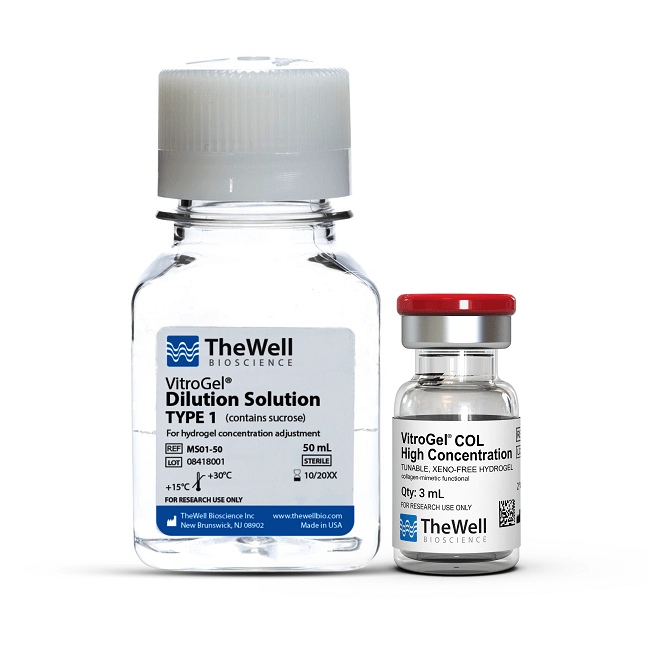
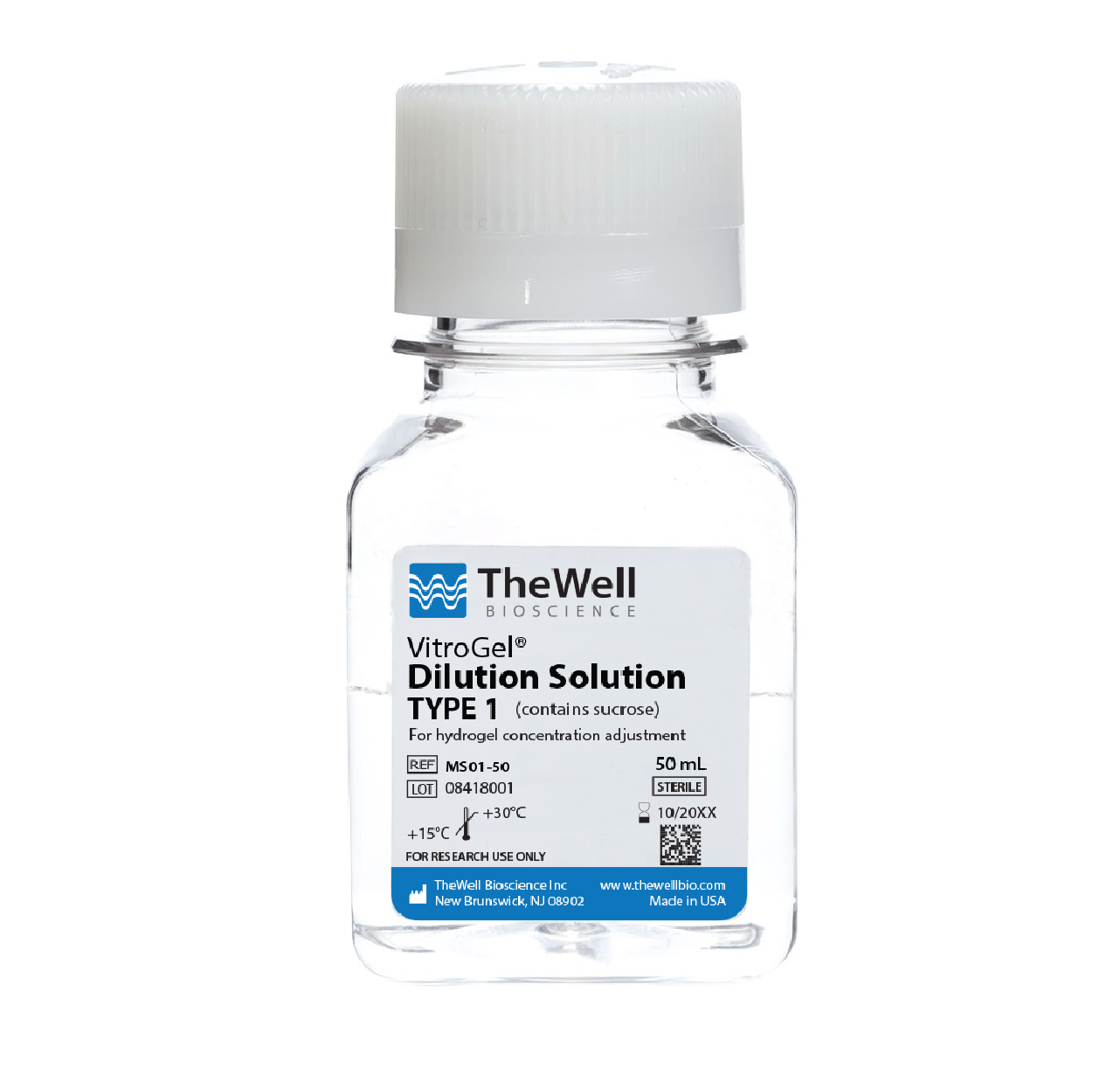
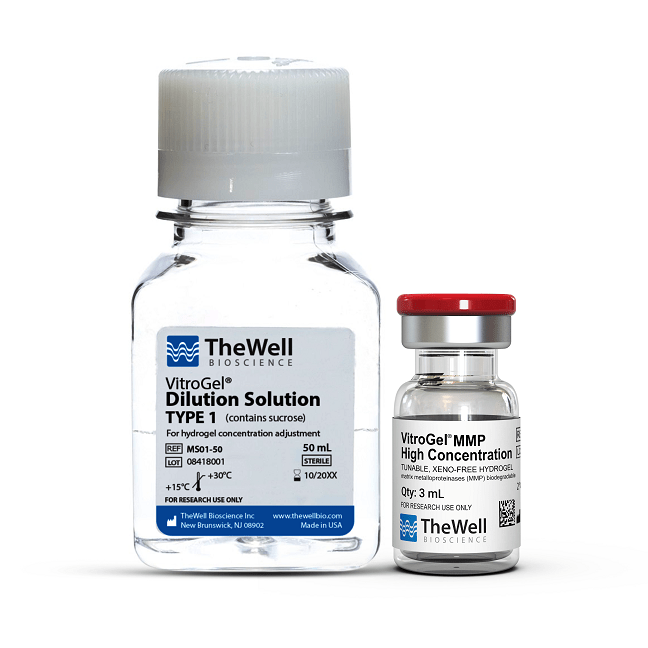
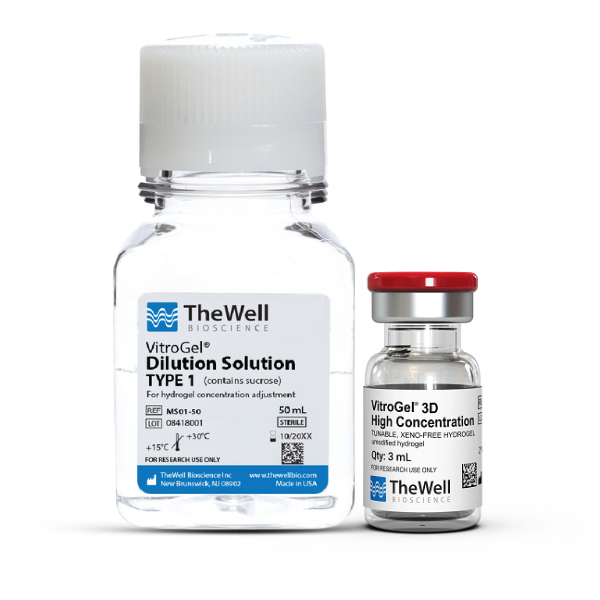
VitroGel® 3D High Concentration Tunable, xeno-free hydrogel for cell spheroid formation, suspension cells, or cells requiring low cell-matrix interactions. Room Temperature Operation Room temperature protocol/operation. No ice bucket required. Xeno-free 100% synthetic. Animal & human origin-free, biofunctional hydrogel. Tunable Hydrogel Strength Adjust the hydrogel strength from 10 Pa to over 20,000 Pa to create the optimal cell environment. Injectability Excellent cell retention. Long-term injectability after gelation without needle clogging. Easy-to-use No cross-linking agent required. Adjust hydrogel with Dilution Solution, mix with cells, add medium and incubate. Easy cell harvesting Simple and efficient cell harvesting by the non-enzymatic VitroGel® Organoid Recovery Solution. VitroGel® 3D High Concentration is a tunable, xeno-free (animal origin-free) hydrogel system that allows the maximum flexibility to manipulate the 3D cell culture environment for different needs. VitroGel® 3D High Concentration comes with VitroGel® Dilution Solution to adjust the final hydrogel strength from 10 to 4000 Pa. The hydrogel’s tunability gives researchers the ability to create an optimized environment for cell growth. The VitroGel® 3D High Concentration hydrogel matrix structure is good for cell spheroid formation, suspension cells, or cells requiring low cell-matrix interactions. VitroGel® High Concentration hydrogels are our xeno-free, tunable hydrogels for researchers wanting full control to manipulate the biophysical and biological properties of the cell culture environment. The tunability of the hydrogel gives the ability to create an optimized environment for cell growth. The hydrogel system has a neutral pH, transparent, permeable, and compatible with different imaging systems. The solution transforms into a hydrogel matrix by simply mixing with the cell culture medium. No cross-linking agent is required. Cells cultured in this system can be easily harvested with our VitroGel® Organoid Recovery Solution. The hydrogel can also be tuned to be injectable for in vivo studies. From 3D cell culture, 2D cell coating to animal injection, VitroGel® makes it possible to bridge the in vitro and in vivo studies with the same platform system. 3D Cell Culture Process in 20 Minutes VitroGel® High Concentration hydrogels are easy-to-use. There is no cross-linking agent required. Work confidently at room temperature. Specifications ContentsVitroGel®® 3D High Concentration, 3 mL VitroGel® Dilution Solution, 50 mL Hydrogel FormulationXeno-free tunable hydrogel, pure and unmodified. UseGood for cell spheroid formation, suspension cells or cells require low cell-matrix interactions Mix & MatchCan be blended with other versions of VitroGel® concentrated hydrogels to create a custom multi-functional matrix. OperationRoom temperature Hydrogel Strength10 to 4,000 Pa of G’ depending on dilution ratio. Dilute with VitroGel Dilution Solution (TYPE 1 or TYPE 2) for different concentrations. pHNeutral ColorTransparent Cell HarvestingVitroGel® Organoid Recovery Solution5-15 min cell recovery InjectableInjectable hydrogel StorageStore at 2-8°C. Ships at ambient temperature Number of UsesDilution ratio: 1:2 = 225 uses at 50 µL per well1:3 = 300 uses at 50 µL per well1:5 = 450 uses at 50 µL per well Protocols and Resources Protocols and Handbooks VitroGel® 3D Protocol Xenograft/Injection Protocol Five Cell Culture Methods for VitroGel® Protocol Cell Recovery/Harvesting Protocol Live-Dead Cell Viability Assay Protocol Cell Fluorescent Staining in Gel for Nuclei and Actin Filament Protocol RNA/DNA Extraction, Cell Lysis for Downstream Analysis Protocol Cell Proliferation Assay Protocol Immunofluorescence Staining Protocol Sample Preparation for Histological Analysis Protocol Product Documentation Sales Sheet – VitroGel® High Concentration Frequently Asked Questions Product Data Sheet Material Safety Data Sheet (MSDS) Data and References Cell Type Behavior Reference Table – VitroGel® 3D Studies were performed using VitroGel® 3D in different tissue and cell types. Cancer/Tumor Cell TypeBehavior Brainstem glioma DIPGCell proliferation and survival Breast CTCCell proliferation Breast T47DSpheroid formation and proliferation Chordoma CellsCell proliferation Hela CellsCell proliferation Human osteosarcoma KHOSCell proliferation and spheroid formation Human osteosarcoma U2OSCell proliferation and spheroid formation Epithelial Cells Cell TypeBehavior Human NTHY-ORI 3-1 CellsEnhance spheroids and cluster formation and promote cell viability Immune Cells Cell TypeBehavior BL5 human beta cellsEnhance spheroids and cluster formation and promote cell viability CD8 T cellsEnhance spheroids and cluster formation and promote cell viability Priess human lymphoblastoid cellsEnhance spheroids and cluster formation and promote cell viability Red Blood Cells Cell TypeBehavior Red Blood CellsEnhance spheroids and cluster formation and promote cell viability Stem Cells Cell TypeBehavior Human stem cells from apical papilla SCAPEnhance cell viability All Cell Type Behaviors for All VitroGel® Products TISSUE/ORGAN TYPECELL TYPEREADY TO USE HIGH CONCENTRATIONBEHAVIOR Beta Cell BL5 human beta cells VitroGel Hydrogel Matrix, VitroGel ORGANOID KitVitroGel 3D, VitroGel MMPEnhance spheroids formation Beta TC3 cells VitroGel Hydrogel Matrix, VitroGel ORGANOID KitVitroGel RGDCell proliferation and cellular interactions Bone Bone marrow stromal cells (rat)VitroGel Hydrogel Matrix, VitroGel ORGANOID KitVitroGel RGD, VitroGel COL, VitroGel MMPOsteogensic differentiation , Cell attachment and osteoblast differentiation,Cell proliferation, cell viability, and cellular networking. Osteoblasts (rat) VitroGel MSC, VitroGel Hydrogel Matrix, VitroGel ORGANOID KitVitroGel RGD, VitroGel COLCell attachment and spreading Bone marrow stromal cells (bovine) VitroGel MSC, VitroGel Hydrogel Matrix, VitroGel ORGANOID KitVitroGel RGD, VitroGel COLCell spreading and osteocalcin expression BreastMammary gland MCF10AVitroGel Hydrogel Matrix, VitroGel ORGANOID KitVitrolGel RGD, VitroGel COL, VitroGel MMPSpheroid formation, MMP activity in response to TGF-B1 Mammary epithelium (mouse)VitroGel Hydrogel Matrix, VitroGel ORGANOID KitVitroGel RGD, VitroGel COLCell invasion and dissemination Cancer/TumorHuman colorectal carcinoma HCT 116VitroGel Hydrogel Matrix, VitroGel ORGANOID KitVitroGel RGDCell proliferation, cell survival, and intercellular networking Huaman colon carcinoma HCT-8 VitroGel Hydrogel Matrix, VitroGel ORGANOID KitVitroGel RGDCell proliferation and cell matrix interaction Glioma U87-MG VitroGel Hydrogel Matrix, VitroGel ORGANOID KitVitroGel RGD, VitroGel MMP, VitroGel COLCell spreading and acting stress fiber assembly, cell proliferation, spreading, and migration, Cell migration dependent on mechancial force, Cell proliferation and cell matrix interaction Gliobastoma SF 268VitroGel Hydrogel Matrix, VitroGel ORGANOID KitVitrolGel RGDCell proliferation and cell matrix interaction Gliobastoma SF 295VitroGel Hydrogel Matrix, VitroGel ORGANOID KitVitroGel RGDCell proliferation and cell matrix interaction Glioblastoma SNB75VitroGel Hydrogel Matrix, VitroGel ORGANOID KitVitroGel RGDCell proliferation and cell matrix interaction Glioblastoma U-251 MGVitroGel Hydrogel Matrix, VitroGel ORGANOID KitVitroGel RGDCell proliferation and cell matrix interaction Prostate PC3VitroGel Hydrogel Matrix, VitroGel ORGANOID KitVitroGel COL, VitroGel IKVAV, VitroGel RGD, VitroGel MMPCell proliferation, reduced MMP release, invasion, migration, and spheroid metabolic activity. Prostate LNCaPVitroGel Hydrogel Matrix, VitroGel ORGANOID KitVitroGel RGD, VitroGel COLCell attachment, proliferation, and prostate specific antigen release Prostate CRPCVitroGel Hydrogel Matrix, VitroGel ORGANOID KitVitroGel RGDCell proliferation and invasion Prostate DU145VitroGel Hydrogel Matrix, VitroGel ORGANOID KitVitroGel RGDCell proliferation and invasion Melanoma B16F10VitroGel Hydrogel Matrix, VitroGel ORGANOID KitVitroGel COL, VitroGel YIGSRCell migration, invasion, MMP release, cell attachment and spreading Breast MDA-MB-231VitroGel Hydrogel Matrix, VitroGel ORGANOID KitVitroGel RGD, VitroGel MMP, VitroGel 3DCell invasion, spreading, proliferation, division, migration, and cluster growth Fibrosarcoma HT1080VitroGel Hydrogel Matrix, VitroGel ORGANOID KitVitroGel RGD, VitroGel COLCell infiltration, attachment Breast T47DVitroGel Hydrogel Matrix, VitroGel ORGANOID KitVitroGel COL, VitroGel 3D, VitroGel RGD, VitroGel MMPForce dependent tubule formation, cell cluster growth, spheroid formation and proliferation Breast 4T1VitroGel Hydrogel Matrix, VitroGel ORGANOID KitVitroGel RGDCell proliferation Breast CTCVitroGel Hydrogel Matrix, VitroGel ORGANOID KitVitroGel 3D, VitroGel RGDCell proliferation Breast E0771VitroGel Hydrogel Matrix, VitroGel ORGANOID KitVitroGel RGDCell proliferation spheroid formation Brest AU-565VitroGel Hydrogel Matrix, VitroGel ORGANOID KitVitroGel RGDCell proliferation cell matrix interactions Epithelial ovarian OV-MZ-6 VitroGel Hydrogel Matrix, VitroGel ORGANOID KitVitroGel RGDSpheroid formation and proliferation Epithelial ovarian SKOV-3 VitroGel Hydrogel Matrix, VitroGel ORGANOID KitVitroGel RGDSpheroid formation and proliferation Glioma U373-MG VitroGel Hydrogel Matrix, VitroGel ORGANOID KitVitroGel RGD, VitroGel COL, VitroGel MMPCell adhesion, invasion and migration Rhabdomyosarcoma (human) VitroGel Hydrogel Matrix, VitroGel ORGANOID KitVitroGel RGD, VitroGel COL, VitroGel YIGSRCell attachment and spreading Melanoma SK-MEL-28 VitroGel Hydrogel Matrix, VitroGel ORGANOID KitVitroGel RGD, VitroGel COL, VitroGel IKVAVCell adhesion and proliferation Melanoma K-1735VitroGel Hydrogel Matrix, VitroGel ORGANOID KitVitroGel RGD, VitroGel COL, VitroGel IKVAVCell invasion Melanoma A2058VitroGel Hydrogel Matrix, VitroGel ORGANOID KitVitroGel RGD, VitroGel COL, VitroGel IKVAVCollagenolytic activity Brainstem glioma DIPGVitroGel Hydrogel Matrix, VitroGel ORGANOID KitVitroGel RGD, VitroGel COL, VitroGel MMPCell proliferation and survival Hela Cells VitroGel Hydrogel Matrix, VitroGel ORGANOID KitVitroGel 3D, VitroGel RGD, VitroGel MMPCell proliferation Colorectal adenocarcinoma DLD-1 cellsVitroGel Hydrogel Matrix, VitroGel ORGANOID KitVitroGel RGDCell proliferation and cell matrix interaction Giloma LRM55VitroGel Hydrogel Matrix, VitroGel ORGANOID KitVitroGel RGD, VitroGel IKVAV, VitroGel MMPCell attachment Melanoma WM 239AVitroGel Hydrogel Matrix, VitroGel ORGANOID KitVitroGel RGD, VitroGel COL, VitroGel MMPCell invasion Melanoma Cells VitroGel Hydrogel Matrix, VitroGel ORGANOID KitVitroGel RGDCell proliferation and cell matrix interaction Insulinoma ins-1 (Rat)VitroGel Hydrogel Matrix, VitroGel ORGANOID KitVitroGel RGDCell proliferation and cell matrix interaction Biphasic synovial sarcoma SYO-1VitroGel Hydrogel Matrix, VitroGel ORGANOID KitVitroGel RGDCell proliferation, cell matrix interation, and cell survival Fuji Cells VitroGel Hydrogel Matrix, VitroGel ORGANOID KitVitroGel RGDCell proliferation and cell matrix interaction Chordoma Cells VitroGel Hydrogel Matrix, VitroGel ORGANOID KitVitroGel 3DCell proliferation Bone OSA 1777VitroGel Hydrogel Matrix, VitroGel ORGANOID KitVitroGel RGDSpheroid and cluster formation Glioma RuGliVitroGel Hydrogel Matrix, VitroGel ORGANOID KitVitroGel COL Integrin dependent cell adhesion Breast Cancer MCF-7 VitroGel Hydrogel Matrix, VitroGel ORGANOID KitVitroGel RGD, VitroGel COL, VitroGel MMP, VitroGel 3DCell proliferation, intercellular connections, morphological changes, MMP expression, and angiogenesis Liver carcinoma HepG2 VitroGel Hydrogel Matrix, VitroGel ORGANOID KitVitroGel RGD, VitroGel COLCell viability, growth, drug resistance, proliferation, and cellular matrix interaction Human pancreatic cancer PANC-1 VitroGel Hydrogel Matrix, VitroGel ORGANOID KitVitroGel RGD, VitroGel COL, VitroGel MMPCell proliferation and cellular interactions Primary breast (human)VitroGel Hydrogel Matrix, VitroGel ORGANOID KitVitroGel RGD, VitroGel COL, VitroGel MMPCell invasion, migration, and dissemination Ovarian carcinoma OVCAR-3 VitroGel Hydrogel Matrix, VitroGel ORGANOID KitVitroGel RGD, VitroGel MMPCell proliferation, cell matrix interactions Ovarian OVCA429 VitroGel Hydrogel Matrix, VitroGel ORGANOID KitVitroGel RGD, VitroGel MMP, VitroGel COLMMP dependent cell invasion Human Osteosarcoma KHOSVitroGel Hydrogel Matrix, VitroGel ORGANOID KitVitroGel RGD, VitroGel 3DCell proliferation and spheroids formation Human Osteosarcoma U2OSVitroGel Hydrogel Matrix, VitroGel ORGANOID KitVitroGel RGD, VitroGel 3DCell proliferation and spheroids formation Human fibroblast-like synoviocytes (FLS)VitroGel Hydrogel Matrix, VitroGel ORGANOID KitVitroGel 3DCell proliferation and inflammatory responses Human Liposarcoma 94T778VitroGel Hydrogel Matrix, VitroGel ORGANOID KitVitroGel 3DCell proliferation and spheroids formation Human diffuse large B-cell lymphoma (DLBLC) SUDHL-10VitroGel Hydrogel MatrixCell viability, growth, drug resistance, proliferation, and cellular matrix interaction Priess human lymphoblastoid cells VitroGel Hydrogel Matrix, VitroGel ORGANOID KitVitroGel 3DEnhance spheroids and cluster formation and promote cell viability. CartilageChondrocytes (bovine) VitroGel MSC, VitroGel Hydrogel Matrix, VitroGel ORGANOID KitVitroGel RGD, VitroGel COLCell viability and proliferation Chondrocytes (human) VitroGel MSC, VitroGel Hydrogel Matrix, VitroGel ORGANOID KitVitroGel RGD, VitroGel COLCell viability and proliferation Connective TissueDermal Fibroblasts (human)VitroGel Hydrogel Matrix, VitroGel ORGANOID KitVitroGel RGDCell viability and spreading Fibroblasts NIH3T3VitroGel Hydrogel Matrix, VitroGel ORGANOID KitVitroGel RGD, VitroGel COLDirectional cell migration toward gradient and cell spreading dependent on substrata rigidity Foreskin fibroblasts (human)VitroGel Hydrogel Matrix, VitroGel ORGANOID KitVitroGel RGD, VitroGel COL, VitroGel YIGSR, VitroGel MMPCell spreading, substrata degradation, and cell invasion Skin fibroblasts (skin) VitroGel Hydrogel Matrix, VitroGel ORGANOID KitVitroGel RGD, VitroGel IKVAVCell adhesion Epidermal keratinocytesVitroGel Hydrogel Matrix, VitroGel ORGANOID KitVitroGel RGD, VitroGel COLCell viability Epithelial CellsMouse ovarian follicle cellsVitroGel Hydrogel Matrix, VitroGel ORGANOID KitVitroGel RGD3D cell culture using ES-hydrogel can enhance vitro follicle culture by considering the permeability and stiffness of the gel. Human Nthy-ori 3-1 cells VitroGel Hydrogel Matrix, VitroGel ORGANOID KitVitroGel 3DEnhance spheroids and cluster formation and promote cell viability. A549 cellsVitroGel Hydrogel Matrix, VitroGel ORGANOID KitVitroGel RGDEnhance cell proliferation and cell matrix interactions. MCF-12AVitroGel Hydrogel Matrix, VitroGel ORGANOID KitVitroGel RGDEnhance cell proliferation and cell matrix interactions. Immortalized bronchial epithelial cells HBEC-KRASVitroGel Hydrogel Matrix, VitroGel ORGANOID KitVitroGel RGD, VitroGel 3DCell proliferation EyeCorneal endothelial B4G12VitroGel Hydrogel Matrix, VitroGel ORGANOID Kit, VitroGel Angiogenesis AssayVitroGel RGD, Vitrogel Angiogenesis Assay HC kitCell attachment and spreading Retinal ganglion cells (xenopus)VitroGel Hydrogel Matrix, VitroGel ORGANOID KitVitroGel RGD, VitroGel COLNeurite outgrowth Immune Cells CD8 T cells VitroGel Hydrogel Matrix, VitroGel ORGANOID KitVitroGel 3DEnhance spheroids and cluster formation and promote cell viability. KidneyHuman embryonic kidney HEK293 VitroGel Hydrogel Matrix, VitroGel HEK293, VitroGel ORGANOID KitVitroGel RGD, VitroGel COL3D spheroids formation Madin-Darby Canine KidneyVitroGel Hydrogel Matrix, VitroGel HEK293, VitroGel ORGANOID KitVitroGel RGD, VitroGel MMPEpithelial cysts formation Podocytes (human)VitroGel Hydrogel Matrix, VitroGel HEK293, VitroGel ORGANOID KitVitroGel RGD, VitroGel COLGlomerular capillary formation glomerular endothelial cells (human)VitroGel Hydrogel Matrix, VitroGel HEK293, VitroGel ORGANOID Kit, VitroGel Angiogenesis AssayVitroGel RGD, Vitrogel Angiogenesis Assay HC kitGlomerular capillary formation Liver Hepatocytes (human)VitroGel Hydrogel Matrix, VitroGel ORGANOID KitVitroGel RGD, VitroGel COLFilopodia formation and synthesis of albumin and cell attachment Hepatocytes (mouse, rat, swine)VitroGel Hydrogel Matrix, VitroGel ORGANOID KitVitroGel RGD, VitroGel COL, VitroGel MMPCell viability, spearding, Albumin secretion LungAlveolar basal epithelial A549VitroGel Hydrogel Matrix, VitroGel ORGANOID KitVitroGel RGDCell attachment Alveolar epithelial RLE-6TNVitroGel Hydrogel Matrix, VitroGel ORGANOID KitVitroGel RGDCell attachment and mesenchymal differentiation Pulmonary fibroblasts LL2 VitroGel Hydrogel Matrix, VitroGel ORGANOID KitVitroGel RGD, VitroGel IKVAVCell adhesion HFL1 lung fibroblasts CCL153VitroGel Hydrogel Matrix, VitroGel ORGANOID KitVitroGel RGDCell proliferation and spindle morphology Lung cancer associated fibroblasts (human) VitroGel Hydrogel Matrix, VitroGel ORGANOID KitVitroGel RGDSubstrata contractility Lung fibroblasts MCR-5VitroGel Hydrogel Matrix, VitroGel ORGANOID KitVitroGel RGD, VitroGel COLNGF-mediated substrata contraction Muscle Myoblasts C2C12 VitroGel Hydrogel Matrix, VitroGel ORGANOID KitVitroGel RGD, VitroGel COLCell proliferation, differentiation, attachment, myofibril formation, myotube formation, and integrin dependent cell adhesion Skeletal myoblasts (mouse)VitroGel Hydrogel Matrix, VitroGel ORGANOID KitVitroGel RGDCell attachment, proliferation, and myofibril formation Myoblasts (human)VitroGel Hydrogel Matrix, VitroGel ORGANOID KitVitroGel RGD, VitroGel COLCell adhesion, alignment along fiber, and myotube formation Myoblasts C25Cl48VitroGel Hydrogel Matrix, VitroGel ORGANOID KitVitroGel RGD, VitroGel COLCell proliferation, differentiation and myotube formation Neural Dorsal root ganglion (chick)VitroGel Hydrogel Matrix, VitroGel ORGANOID KitVitroGel RGD, VitroGel COLNeurite formation and force dependent neurite outgrowth Neural PC12VitroGel Hydrogel Matrix VitroGel RGD, VitroGel IKVAVNeurite outgrowth Neural stem cell/ progenitor cell (rat)VitroGel STEM, VitroGel Hydrogel MatrixVitroGel RGD, VitroGel IKVAVCell viability, attachment, and differentiation Neural stem cell/ progenitor cell (human)VitroGel STEM, VitroGel Hydrogel MatrixVitroGel RGD, VitroGel IKVAV, VitroGel COLCell viability, attachment, and differentiation Schwann cells (rat)VitroGel Hydrogel MatrixVitroGel RGDCell attachment and migration Neural stem cell/ progenitor cell (mouse)VitroGel STEMVitroGel RGD, VitroGel IKVAVCell adhesion and differentiation Cortical astrocytes (rat)VitroGel Hydrogel MatrixVitroGel RGD, VitroGel IKVAVCell adhesion Spiral ganglion neurons (mouse)VitroGel Hydrogel MatrixVitroGel RGD, VitroGel IKVAVNeurite outgrowth Motor neurons (human)VitroGel Hydrogel MatrixVitroGel RGD, VitroGel COL, VitroGel IKVAVForce dependent neurite outgrowth Forebrain neurons (human)VitroGel Hydrogel MatrixVitroGel RGD, VitroGel COL, VitroGel IKVAVForce dependent neurite outgrowth Cortical neurons (rat)VitroGel Hydrogel MatrixVitroGel RGD, VitroGel COL, VitroGel IKVAVNeuronal viability and neurite outgrowth Dorsal root ganglion (rat)VitroGel Hydrogel MatrixVitroGel RGD, VitroGel COL, VitroGel IKVAVNeurite outgrowth Red Blood CellsRed Blood CellsVitroGel Hydrogel Matrix, VitroGel ORGANOID KitVitroGel 3DEnhance Spheroids and cluster formation and promote cell viability PancreasB-cells MIN6 VitroGel Hydrogel Matrix, VitroGel ORGANOID KitVitroGel RGD, VitroGel IKVAVReduced apoptosis and increased insulin release Stem Cells Mesenchymal stem cells (human)VitroGel MSCVitroGel RGD, VitroGel COL, VitroGel IKVAV, VitroGel MMPCell viability, proliferation, differentiation, neuronal differntiation, neurite outgrowth, attachment, spreading, viability, and osteoblast differentiation Mesenchymal stem cells (mouse)VitroGel MSCVitroGel RGD, VitroGel MMPCell spreading and migration Mesenchymal stem cells (rat)VitroGel MSCVitroGel RGDCell adhesion and spreading Embryonic stem cells (mouse)VitroGel STEM, VitroGel ORGANOID KitVitroGel RGD, VitroGel COL, VitroGel YIGSREndothelial cell differentiation, neuronal differentiation, and neurite outgrowth Induced pluripotent stem cells (human)VitroGel STEM, VitroGel ORGANOID KitVitroGel RGD, VitroGel YIGSR, VitroGel IKVAVCell viability Human stem cells from apical papilla SCAPVitroGel STEMVitroGel RGDCell viability Hematopoietic Stem CellsVitroGel STEMCell viability Adipose derived stem cells (human)VitroGel MSCVitroGel RGD, VitroGel 3D, VitroGel IKVAVCell viability, cell attachment Vascular/cardiac Umbilical vein endothelial cells Vitrogel Angiogenesis Assay , VitroGel Hydrogel Matrix, VitroGel ORGANOID KitVitrogel Angiogenesis Assay HC kitCell attachment, proliferation, migration, angiogenesis, gene expression changes, migratory cell infiltration, cell survival, and VEGF dependent migration Neonatal cardiac (rat) Vitrogel Angiogenesis Assay, VitroGel Hydrogel Matrix, VitroGel ORGANOID KitVitrogel Angiogenesis Assay HC kitCell attachment, tissue regeneration, and attachment similar to laminin Aortic smooth muscle cells VitroGel Hydrogel MatrixVitrogel Angiogenesis Assay HC kitCell attachment Endothelial (human)VitroGel Angiogenesis Assay Vitrogel Angiogenesis Assay HC kitCell differentiation EndotheliocytesVitroGel Angiogenesis Assay Vitrogel Angiogenesis Assay HC kitCell migration Microvascular endothelial cells (human)VitroGel Angiogenesis Assay Vitrogel Angiogenesis Assay HC kitCell mobility Aortic endothelial cells (bovine)VitroGel Angiogenesis Assay Vitrogel Angiogenesis Assay HC kitForce dependent cell spreading Capillary endothelial cells (bovine) VitroGel Angiogenesis Assay Vitrogel Angiogenesis Assay HC kitCapillary like network formation Data Figure 1. Beta Lox 5 (BL5) cells 3D culture in VitroGel® 3D system. A. BL5 cells cultured on the surface of a regular tissue culture-treated well plate (control); B. Normal human islets grown in suspension culture (comparison); C. 3D culture of BL5 cells in VitroGel 3D at Day 1; D. 3D culture of BL5 cells in VitroGel 3D at Day 7. Under 3D culture of VitroGel 3D, BL5 cells form islet-like structures very similar to normal human islets. The hydrogel is prepared at 1:3 dilution. The images were taken at 10X magnification. Figure 2. CD8 T cells 3D culture in VitroGel® 3D system. CD8 T cells culture grew in suspension culture (control); B. 3D culture of CD8 T cells in VitroGel 3D at Day 7. CD8 T cells are vibrant in 3D culture conditions of VitroGel 3D. The cells can easily move within the unmodified hydrogel matrix. The hydrogel is prepared at 1:3 dilution. The images were taken at 10X magnification. 2D Coating Applications Figure 3. Human colon cancer cells (HCT 116) cells cultured on top of VitroGel® 3D hydrogel. A thick hydrogel coating plate has been prepared by mixing VitroGel® 3D with PBS at 1:1 ratio. A 300 µL mixture has been added to a well of a 24-well plate and stabilization at room temperature for 20 minutes before adding cells on top of the hydrogel. Cell spheroids form on top of the hydrogel. Cells seeded at 2.5-10×105 cells/mL. Figure 4. Comparison of long-term neuronal culture seeded onto thick hydrogel mats. Cells are stained with Beta-III-Tubulin (green) cytoskeleton marker and their nuclei are counter-stained with DAPI (blue). Cells spread out and form neural-like networks as early as day 3 post-differentiation, with comparable efficacy between VitroGel 3D and Matrigel, based on cell survival, culture spreading, and morphological analysis, reached between days 7 and 9. On Matrigel mats, cell culture health and viability drop off sharply once day 9 has passed, with most cells detaching and neurites retracting by day 14, and the vast majority of cells gone by day 21. If grown onto VitroGel® 3D mats, differentiated B35 neurons have a tendency to self-organize into 3D clusters very early on (Day 7), assuming a mixed 2D/3D cell culture for the first two weeks of the time course. By Day 21, these cells have migrated into self-assembled 3D clusters, embedded into the thick hydrogel matrix, with very few cells between the clusters, but without any significant cell death. Figure 5. Human Lymphoblastoid Priess cells cultured on top of VitroGel® 3D hydrogel. A. Priess cells grown in suspension (control); B. Priess cells grown on top of VitroGel® 3D at day 7. A hydrogel substance can be prepared with different stiffness by adjusting the dilution of VitroGel 3D from 1:1 to 1:3 ratio. Cells seeded on the top of the hydrogel form cell spheroids form on the top of the hydrogel. The hydrogel provides a soft substance for cells to attach and grow. Video Protocols & Demonstrations VIDEO PROTOCOL TIP 3D Cell Culture VitroGel High Concentration Hydrogels VIDEO PROTOCOL TIP 2D Cell Coating Method 1 VitroGel High Concentration Hydrogels VIDEO PROTOCOL TIP 2D Cell Coating Method 2 VitroGel High Concentration Hydrogels VIDEO PROTOCOL TIP Cell Recovery Method 1 from 3D & 2D cultures VIDEO PROTOCOL TIP Cell Recovery Method 2 from 3D & 2D cultures VIDEO PROTOCOL TIP Injectable Hydrogel VitroGel System Application Notes Application Notes Long-Term Neuron Culture Maturation in 3D Hydrogel Constructs Application Notes 3D Cell Culture of Human Colon Cancer Cells (HCT116) on VitroGel® System Application Notes 3D Cell Culture of Human Pancreatic Cancer Cells (PANC-1) on VitroGel® System Application Notes 3D Invasion of Glioblastoma Cells in VitroGel® Hydrogel System Research Highlights Research Highlights Scaffold-Free 3D Adipose Tissue Organoids: Unlocking Obesity Research with VitroGel® 3D Research Highlights Long-Lived Lab Grown Cells for Diabetes Treatment Research Highlights Finding Living Needles in a 3D Haystack Research Highlights Cutting Colon Cancer Out Properly Research Highlights Go With the PVP Flow for Invitro Model of Hydrocephalus Research Highlights No Relaxing in the Fight Against Liver Cancer References/Publications Beco, M., Di Pasquale, F., Valenti, C., Betti, P., Mascolo, G. L., Marinucci, L., Eramo, S., & Pagano, S. (2026). Pulp–Dentin Regeneration via Cell Homing: Current Evidence and Perspectives on Cell-Free Regenerative Endodontic Therapy. Medicina, 62(2), 375. https://doi.org/10.3390/medicina62020375 Andrade, D. C., Salazar-Ardiles, C., Toledo, C., Bueno, J., Cabrera, A. P., Diaz-Jara, E., María Rodriguez-Fernandez, Millet, G. P., Iturriaga, R., & Kelley, E. F. (2025). Chemogenetic inhibition of the carotid bodies blunts hind-limb suspension microgravity-induced muscle alterations in rats. American Journal of Physiology-Lung Cellular and Molecular Physiology. https://doi.org/10.1152/ajplung.00386.2025 Acimovic, I., Chochola, V., Herrera, J. L., Hampl, A., & Jaros, J. (2025). 3D endothelial network formation in hydrogels improved by stromal cells and specific growth factors. Scientific Reports, 15(1). https://doi.org/10.1038/s41598-025-25381-x Meher Beigi Masihi, Chambers, K. R., Friedman, R., Sergey Pampou, Gudenas, B. L., Torrejon, J., Lee, C., Furnari, G., Chau, L. Q., Sajina GC, Lin, Y., Chapman, O. S., Skowron, P., Garzia, L., Taylor, M. D., Chavez, L., Olivier Ayrault, Northcott, P. A., Karan, C., & Wechsler-Reya, R. J. (2025). Ras-Responsive Element Binding Protein 1 regulates survival of Group 3 medulloblastoma. BioRxiv (Cold Spring Harbor Laboratory). https://doi.org/10.1101/2025.07.16.665230 Yan, Q., Xu, C., Gong, L., Liang, D., Yang, J., Zheng, Y., & Wang, J. (2025). The role of ZC3H13 in promoting M2 macrophage infiltration via m6A methylation in esophageal squamous cell carcinoma tumor progression. Frontiers in Immunology, 16. https://doi.org/10.3389/fimmu.2025.1612041 Silva, Ferreira, M. C., Grazziotin-Soares, R., Dourado, L. G., Claudia, Rodrigues, G., & Carvalho, C. N. (2025). Regenerative endodontic procedure using Emdogain: a case series. Journal of Medical Case Reports, 19(1). https://doi.org/10.1186/s13256-025-05199-x Andrade, D. C., Salazar‐Ardiles, C., Toledo, C., Alvarez, C., Díaz‐Jara, E., Rodriguez‐Fernandez, M., Millet, G. P., & Iturriaga, R. (2025). The carotid body mediates peak oxygen uptake during maximal physical exertion in rats. The Journal of Physiology. https://doi.org/10.1113/jp288633 Chen, A. R., Chansky, J., & Burke, J. A. (2025). Long-term storage, cryopreservation, and culture of isolated human islets: a systematic review. Frontiers in Transplantation, 4. https://doi.org/10.3389/frtra.2025.1614849 Zhou, H., Zhang, Z., Liu, Z., Sa, G., Jiang, M., Zou, Z., Shi, Y., Zheng, L., Yang, X., & Sa, G. (2025). Single‐Cell Analysis Reveals Fibroblast‐Derived Migrasomes as CXCL12 Carriers Promoting Skin Wound Repair. Journal of Extracellular Vesicles, 14(6). https://doi.org/10.1002/jev2.70112 Sun, P., Qin, W., Xu, H., Yin, H., Yang, L., Zhang, X., Jin, X., Xu, Q., Wu, H., Xiaoling Kuai, Jia, L., Huang, J., & Wang, Y. (2025). SPTSSA facilitates gastric cancer progression with modulating PD-L1 in immunomicroenvironment through Wnt/β-catenin pathway. Cellular Oncology. https://doi.org/10.1007/s13402-025-01072-7 Chen, Z., Zheng, X., Mu, Z., Lu, W., Zhang, H., & Yan, J. (2025). Intelligent Nanomaterials Design for Osteoarthritis Managements. Small Methods. https://doi.org/10.1002/smtd.202402263 Chang, Y. W., Trimp, M., Van Der Helm, T., Blanch-Asensio, A., Overeem, A. W., & Chuva De Sousa Lopes, S. M. (2025). Reconstitution of human fetal ovaries reveals niche requirements for primordial germ cell-like cell progression. https://doi.org/10.1101/2025.03.21.644608 Dariolli, R., Nir, R., Mushlam, T., Souza, G. R., Farmer, S. R., & Batista, M. L. (2025). Optimized scaffold-free human 3D adipose tissue organoid culture for obesity and disease modeling. SLAS Discovery, 31, 100218. https://doi.org/10.1016/j.slasd.2025.100218 Castañeyra-Ruiz, L., Lee, S., Chan, A. Y., Shah, V., Romero, B., Ledbetter, J., & Muhonen, M. (2022). Polyvinylpyrrolidone-Coated Catheters Decrease Astrocyte Adhesion and Improve Flow/Pressure Performance in an Invitro Model of Hydrocephalus. Children, 10(1), 18. https://doi.org/10.3390/children10010018 Wei, J., Yao, J., Yang, C., Mao, Y., Zhu, D., Xie, Y., Liu, P., Yan, M., Ren, L., Lin, Y., Zheng, Q., & Li, X. (2022). Heterogeneous matrix stiffness regulates the cancer stem-like cell phenotype in hepatocellular carcinoma. Journal of Translational Medicine, 20(1). https://doi.org/10.1186/s12967-022-03778-w Yu, Y., Wu, X., Wang, M., Liu, W., Zhang, L., Zhang, Y., Hu, Z., Zhou, X., Jiang, W., Zou, Q., Cai, F., & Ye, H. (2022). Optogenetic-controlled immunotherapeutic designer cells for post-surgical cancer immunotherapy. Nature Communications, 13(1), 6357. https://doi.org/10.1038/s41467-022-33891-9 Manferdini, C., et al. (2022). RGD-Functionalized Hydrogel Supports the Chondrogenic Commitment of Adipose Mesenchymal Stromal Cells Gels. https://www.mdpi.com/2310-2861/8/6/382 Ouyang,L., et al.(2022) Overexpressing HPGDS in adipose-derived mesenchymal stem cells reduces inflammatory state and improves wound healing in type 2 diabetic mice. Stem Cell Research & Therapy, 2022,13:395. https://stemcellres.biomedcentral.com/articles/10.1186/s13287-022-03082-w Worden, Austin N.(2022) A novel model to study adipose-derived stem cell differentiation. University of South Carolina ProQuest Dissertations Publishing, 2022, 28967872. https://www.proquest.com/openview/726a089f8f0894146e3f9bf083913e3a/1?pq-origsite=gscholar&cbl=18750&diss=y Fen, et al.(2022) Optimization of Three-Dimensional Culture Conditions of HepG2 Cells with Response Surface Methodology Based on the VitroGel System. Biomedical and Environmental Sciences, 2022,(35,8), 688-698. https://www.frontiersin.org/articles/10.3389/fimmu.2022.914381/full Yamazaki et al.(2022) Assessment of hypoxia-targeting therapy for intestinal T-cell lymphoma in dogs: preclinical test using murine models. Available at SSRN: https://ssrn.com/abstract=4090297 or http://dx.doi.org/10.2139/ssrn.4090297 Cui, J., et al. (2022). ATR inhibition sensitizes liposarcoma to doxorubicin by increasing DNA damage. American Journal of Cancer Research. https://www.ncbi.nlm.nih.gov/pmc/articles/PMC9077062/ Fengyuan, M. Y., Shen, L., Fan, D. D., Bai, Y., Li, B., & Lee, J. (2022). YAP9/A20 complex suppresses proinflammatory responses and provides novel anti-inflammatory therapeutic potentials. Frontiers in Immunology. https://www.frontiersin.org/articles/10.3389/fimmu.2022.914381/full Sinjushin, A., et al. (2022). Variations in Structure among Androecia and Floral Nectaries in the Inverted Repeat-Lacking Clade (Leguminosae: Papilionoideae) Plants, Special Issue: Floral Secretory Tissue: Nectaries and Osmophores. https://www.mdpi.com/2223-7747/11/5/649 Worden, A., et al. (2022). Self-Assembling Toroidal Cell Constructs for Tissue Engineering Applications Microscopy and Microanalysis. https://doi.org/10.1017/S1431927622000253 Chen, Y., et al. (2021). Ultra-sensitive responsive near-infrared fluorescent nitroreductase probe with strong specificity for imaging tumor and detecting the invasiveness of tumor cells Spectrochimica Acta Part A: Molecular and Biomolecular Spectroscopy. https://doi.org/10.1016/j.saa.2021.120634 Powell K.(2017) Adding depth to cell culture. Science, 356(6333), 96–98. https://doi.org/10.1126/science.356.6333.96 View more publications on VitroGel products
Ready-To-Use Hydrogels